
Haylage, also known as fermented forage, is a type of preserved forage used as animal feed. It is made by harvesting and chopping fresh forage, such as grass, legumes, or other crops, at a high moisture content and then compacting it into airtight storage structures, such as silos or plastic wrapping. It serves as a valuable feed source for livestock, particularly during the winter months when fresh forage is scarce. Here are some common applications of haylage:
Application
Livestock Feed: Haylage is primarily used as feed for various livestock species, including cattle, horses, sheep, goats, and more. It provides essential nutrients and energy, especially when fresh pasture is not available or during periods of low forage quality.
Winter Feed: During the winter season, when grazing is limited due to snow or cold weather, haylage serves as an excellent alternative to maintain the livestock’s nutrition.
Preservation of Nutrients: Haylage preservation through fermentation helps retain more nutrients compared to traditional dry hay, as it prevents nutrient loss caused by exposure to weather and sunlight.
Crop Management: Haylage offers a way for farmers to efficiently manage their crops by preserving excess or surplus forages, such as grasses and legumes.
Drought Mitigation: During drought conditions or periods of low rainfall, haylage can be made from crops that can still grow despite challenging conditions, providing a feed reserve for livestock.
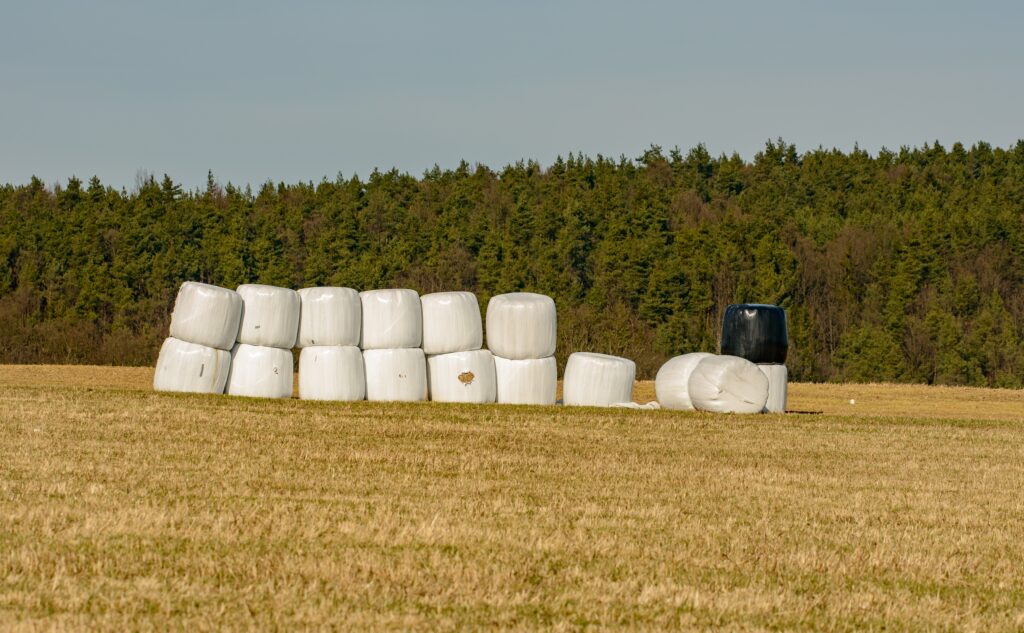
Convenience: For farmers and livestock owners, haylage can be a more convenient option than traditional dry hay, as it can be stored in plastic-wrapped bales without the need for barn space.
Quality Improvement: Making haylage from high-quality forages ensures that the livestock receive nutritious and palatable feed throughout the year.
Storage Flexibility: Haylage can be stored outdoors, reducing the need for significant indoor storage facilities, although proper wrapping and sealing are essential to maintain quality.
High Moisture Forages: Certain forage crops have a high moisture content that makes them unsuitable for traditional haymaking. Haylage allows farmers to preserve these crops effectively.
Reduce Losses: Properly made and stored haylage experiences minimal losses during storage compared to traditional hay, where significant dry matter losses can occur due to weather exposure.
Remember that the successful application of haylage relies on proper harvesting, baling, wrapping, and storage techniques to ensure the quality and nutritional value of the forage for livestock consumption. Improper handling or storage can lead to spoilage and reduced feed value. It’s essential for farmers to follow best practices to achieve the best results when using haylage for their livestock.
Importance of Haylage
Here are some key reasons highlighting the importance of haylage:

Nutritional Value
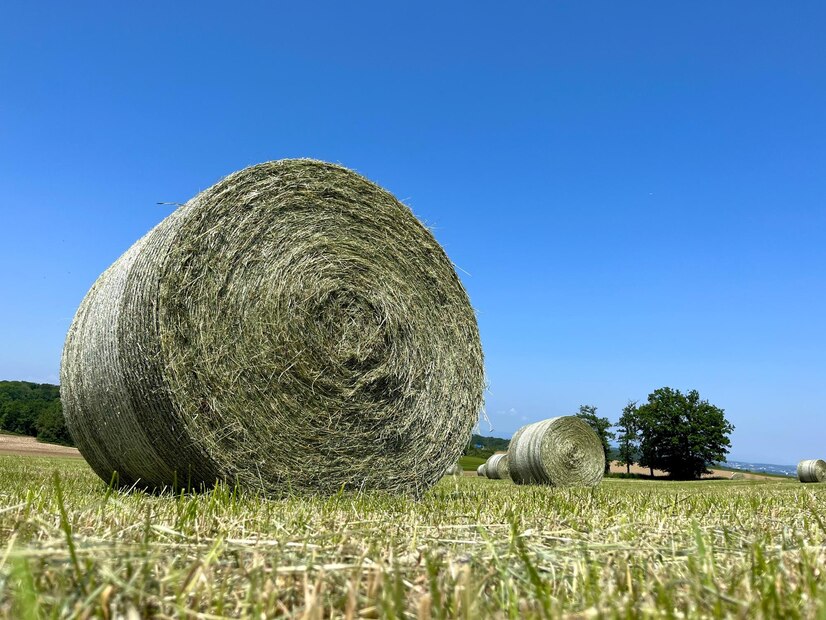
Haylage preserves much of the nutritional content of the forage compared to traditional dry hay. The fermentation process in haylage helps retain vitamins, minerals, and proteins, making it a more nutritious feed option for livestock.
Palatability
Livestock often find haylage more palatable than dry hay due to its increased moisture content and enhanced aroma. This encourages animals to eat more, ensuring they receive adequate nutrition and maintaining their health.
Economic Benefits
While haylage production may require an initial investment in equipment for baling and wrapping, its advantages in terms of improved livestock health, reduced waste, and increased feed efficiency can result in long-term economic benefits for farmers.
Consistency
With haylage, farmers can achieve a more consistent quality of feed throughout the year, regardless of weather conditions during the harvesting period. This reliability is crucial for maintaining livestock health and productivity.
Better Digestibility
The fermentation process in haylage breaks down complex carbohydrates, making the forage more easily digestible for animals. Improved digestibility can lead to better feed efficiency and reduced wastage.
Storage and Handling Efficiency
Haylage can be stored more densely and does not require a long curing process as dry hay does. Moreover, it can be mechanically handled more easily, reducing labor requirements.
Supporting Livestock Performance
Providing high-quality haylage ensures that livestock have access to a balanced and nutritious diet, which directly impacts their growth, reproduction, and overall performance.
Reduced Risk of Mold and Dust
Haylage is less prone to mold growth and dust accumulation, which are common issues with traditional dry hay. Moldy feed can lead to various health problems in livestock, making haylage a safer option.
Extended Harvest Window
Haylage allows farmers to extend the window for harvesting forages since it can be cut at higher moisture levels than hay. This flexibility is especially
Order Now
+9779855021088
+9779801366211
Address: CL Sarawagi Group, Murli-13, Birgunj, Nepal
Email: info@kalpavriksha.com.np